
Last updated: September 29, 2026
Quick Answer: Christian suspense romance pairs real danger, a witness in hiding, a cold case reopened, a threat closing in on someone’s family, with a faith-centered love story, and it does both without explicit sex scenes or graphic violence. The tension comes from stakes that actually matter: a life on the line, a trust broken and slowly rebuilt, faith under fire in a moment nobody planned for. For readers who want their pulse up and their conscience clear, this genre earns its suspense through consequence, not shock.
Key Takeaways
- Christian suspense romance combines physical danger with a faith-rooted love story, kept clean of explicit content.
- It differs from secular suspense romance mainly in what carries the weight, grace and conviction matter as much as the chase.
- It differs from a straight Christian thriller because the romance is load-bearing, not a subplot tossed in for flavor.
- 2026 has been an active year for the genre, with titles like Shadow, Disguised Deception, and Amish Country Witness landing in September alone [3][5].
- No graphic violence or sex scenes, tension is built through pursuit, betrayal, and slow-earned trust instead.
- Common tropes include slow burn romance, protector heroes, secret pasts, and small-town danger.
- You don’t need to be religious to enjoy it; the emotional core, mercy, justice, second chances, reads universally.
- “Christian” and “clean” are related labels but not identical ones, so it pays to check both [10].
- Series deepen stakes book by book; standalones are the easier entry point for new readers.
What Is Christian Suspense Romance?
Christian suspense romance is a hybrid genre: a suspense plot with genuine physical or psychological danger, built around a romantic relationship, and told through a Christian worldview that treats faith as part of how characters survive and heal. It’s not a thriller with a love scene bolted on. The romance is usually the thing the danger tests.
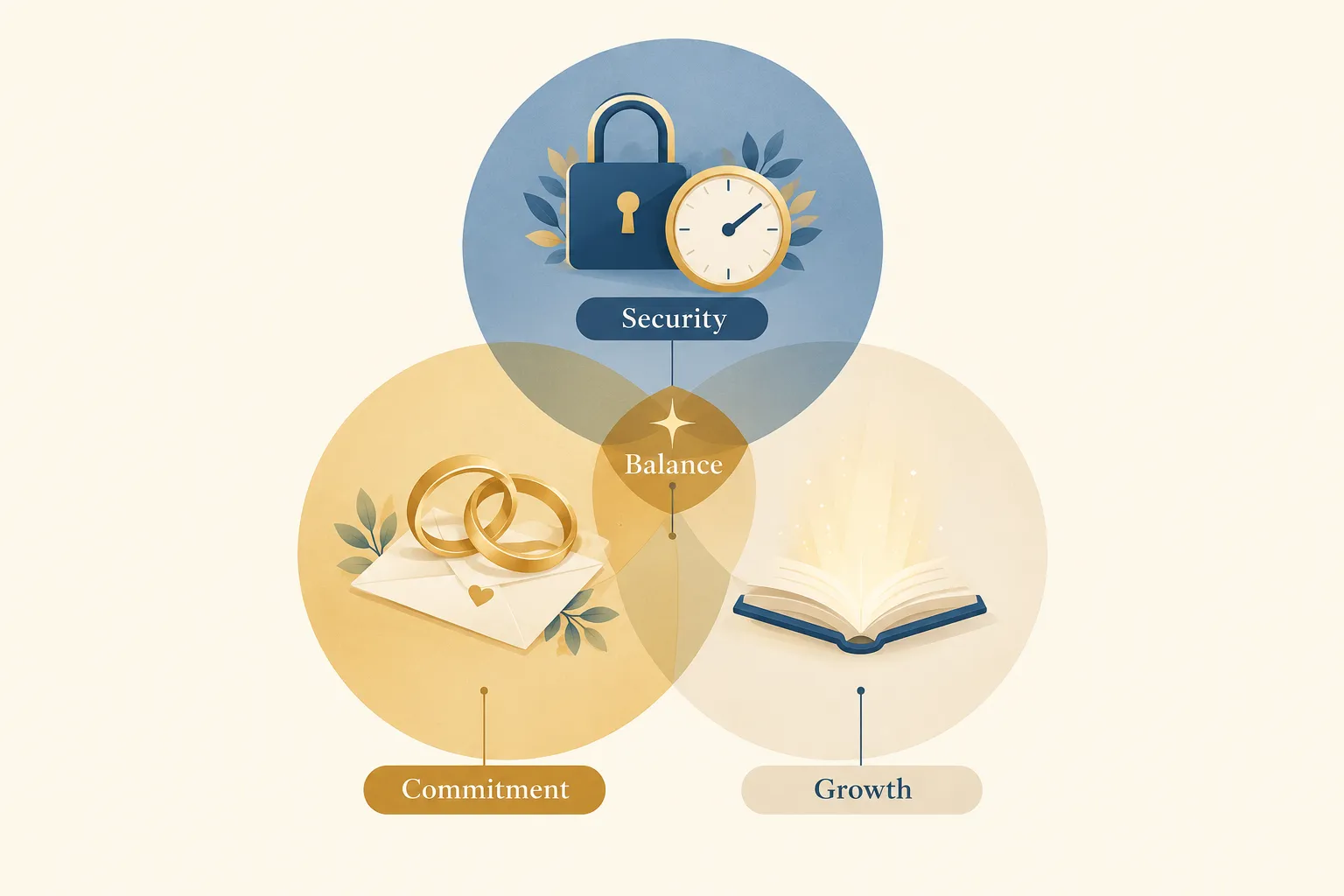
Think of the shape of it this way:
- The danger is real. Someone is being hunted, framed, threatened, or hiding a past that’s catching up to them.
- The romance is central. Two people are drawn together under pressure, and the relationship changes because of what they survive.
- Faith is load-bearing. Prayer, doubt, forgiveness, and conviction show up as part of how characters actually cope, not as commentary layered on top.
Readers coming from cozy mystery or clean fiction often ask how this compares to other faith-based suspense. If the romantic thread isn’t the point for a given reader, clean Christian psychological thrillers built around hopeful endings cover similar emotional ground without requiring a love story to land.
How Is Christian Suspense Romance Different From Secular Suspense, and From a Christian Thriller?
Christian suspense romance differs from secular suspense romance in what the characters lean on when things fall apart, and it differs from a Christian thriller in how central the relationship actually is to the plot. Both distinctions matter if a reader is choosing between shelves.
Versus secular suspense romance: the danger and chemistry can look similar on the surface. What changes is the internal compass. A Christian suspense romance heroine doesn’t just outsmart the threat, she wrestles with forgiveness, with whether mercy and justice can coexist, with what it costs to trust again after someone lied to her. That inner conflict runs alongside the external one.
Versus a Christian thriller: thrillers (including many titles in Silas Bellhaven’s own psychological thriller catalog) can absolutely include faith, tension, and even attraction, but the romance isn’t required to carry the plot. Remove the romantic thread from a Christian suspense romance and the book collapses. Remove it from a straight thriller, and the mystery usually still stands.
Choose Christian suspense romance if: the reader wants danger and a relationship that changes because of it. Choose a Christian thriller instead if: the reader wants the mystery to be the engine and doesn’t need a love story to feel satisfied. For a broader map of how these subgenres compare across the whole Christian fiction shelf, this ranking of Christian fiction subgenres by reader engagement is a useful reference point.
Christian Suspense Romance Without Graphic Violence or Sex Scenes
Christian suspense romance is designed to deliver tension through peril, pursuit, and betrayal rather than explicit description. This is not the same as low stakes, readers can expect real danger, just not depicted in graphic detail.
Recent releases show the pattern clearly. Disguised Deception by Rebecca Lake is marketed as a clean romantic suspense novel built around a missing woman, shattered trust, and small-town danger, intense peril without requiring explicit material [3]. Safehouse Under Siege by Virginia Vaughan raises the stakes with a compromised witness-protection identity, a drug kingpin’s revenge list, and a mole inside law enforcement, while the romance is complicated by grief and guilt rather than physical description [3]. That’s the genre’s real trick: the emotional stakes do the heavy lifting, so the suspense stays intense while the content stays clean.
A common mistake new readers make is assuming “clean” and “Christian” mean the same guarantee. They’re related labels but not identical ones, a Christian romance requires a Christian worldview, while “clean” more specifically signals no explicit sex, no gratuitous violence, and no graphic material [10]. Checking both matters, especially when browsing outside a trusted imprint.
Common Tropes in Christian Suspense Romance
The genre leans on a recognizable set of tropes, and recognizing them helps readers pick books that match their mood. None of these require graphic content to work, in fact, most work better without it.
| Trope | What it delivers | Why it stays clean |
|---|---|---|
| Protector hero or heroine | Physical danger tied to emotional loyalty | Tension from decision, not description |
| Secret past resurfacing | Betrayal, buried guilt, forced honesty | Conflict is internal and relational |
| Small-town danger | Everyone knows everyone, so trust is fragile | Suspense from proximity, not violence |
| Slow burn romance | Attraction that builds under pressure, not instantly | Restraint is the emotional payoff |
| Witness protection or forced proximity | High stakes plus enforced closeness | Danger drives intimacy of trust, not the body |
| Faith tested under fire | Doubt, prayer, and choice in crisis | Grace shown through decision, never a sermon |
Slow burn romance deserves its own note: it’s arguably the genre’s signature move. The relationship builds through shared danger, a safe house, a stakeout, a long drive to outrun a threat, and the payoff is earned because both characters have something real to lose. That’s a different kind of tension than instant chemistry, and it’s the reason readers stay loyal across an entire series.
Strong female leads are also a constant. Heroines in this genre tend to be forensic mechanics, K-9 handlers, investigators, or witnesses who refuse to stay passive, women who act inside the danger rather than waiting to be rescued from it, even while the story lets them be afraid [3].
How Much Faith Content Should You Expect?
Faith content in Christian suspense romance ranges from a quiet undercurrent to an explicit part of the plot, but it should never read like a sermon dropped into a chase scene. Most well-written entries let faith surface through decision, a character choosing to forgive, to tell the truth, to trust God with an outcome they can’t control, rather than through direct scripture quoting on every page.

- Light touch: prayer and church community appear, but the plot doesn’t hinge on doctrine.
- Moderate: a character’s crisis of faith runs parallel to the danger and resolves alongside it.
- Heavy: faith is the lens through which every major decision gets made, often in Amish or close-community settings.
A useful edge case: Amish Country Witness by Meghan Carver follows a woman who witnesses her uncle’s murder, enters witness protection, and depends on an Amish widower while organized crime closes in, a premise with real threat, but described through survival, buried family secrets, and trust rather than graphic depiction [5]. That’s a good marker for how much faith and how much danger can coexist without either one overwhelming the story.
Best Christian Suspense Romance Books With Emotional Tension Right Now
September 2026 has produced one of the more active release slates the genre has seen in a while, giving readers plenty of fresh entry points [3]. Recent titles include Shadow by Susan May Warren and Lisa Phillips (the seventh and final Heroes of Renegade book, built around conspiracy, protective heroes, and escalating family secrets), Target Down by Ryan Steck, Disguised Deception by Rebecca Lake, and a Love Inspired Suspense duo, all released within the same two-week window [3].
August’s slate leaned hard into immediate physical danger, with Safehouse Under Siege, Hunting an Arsonist by Jessica R. Patch, Taken Without a Trace, Vanished in Montana, and Emergency Response all built around pursuit and rescue rather than graphic depiction [3]. Hunting an Arsonist pairs a forensic mechanic and a K-9 officer against a serial arson case, which suits readers who want investigation and rescue sequences carried by clues and emotional recovery rather than description [3]. Sales-tracking sources following the Christian fiction market consistently list romantic suspense among the category’s steadier performers, which explains why publishers keep the pipeline this full [1][6][8].
Quick example: a reader who wants escalating stakes across a full series should start with Shadow, it’s built for readers who want the tension to compound book over book, not resolve in one sitting [3].
Christian Suspense Romance for Beginners: Where to Start
New readers do best starting with a standalone or a series opener that’s explicitly labeled clean romantic suspense, since that phrasing signals both the faith content and the content level up front. Disguised Deception is a solid on-ramp because its premise, a missing woman, betrayal, and second-chance romance, hits every genre beat without requiring familiarity with a series [3].
A simple checklist for a first pick:
- Confirm the book is labeled both “Christian” and “clean” or “romantic suspense,” not just one [10].
- Read the last few reader reviews for tone, do they mention pacing and heart, or complaints about preachiness?
- Start with a standalone or a book one, not book five of an established series.
- Notice whether the danger is external (a threat, a chase) or internal (grief, guilt), most great entries balance both.
Readers who enjoy the mystery side of faith fiction but haven’t tried suspense yet may also want a gentler bridge; Christian cozy mystery tropes share the same small-town intimacy with lower physical stakes.
Christian Suspense Romance Series vs. Standalone
Series suit readers who want stakes to compound and relationships to deepen across multiple books, while standalones suit readers who want a complete emotional arc in one sitting. Neither is objectively better, the choice depends on how much time a reader wants to spend in one world.
- Choose a series if: the reader likes recurring casts, wants romance and danger to build across installments, and doesn’t mind waiting between releases (like the nine-book Heroes of Renegade arc that closes with Shadow [3]).
- Choose a standalone if: the reader wants closure fast, is sampling the genre for the first time, or prefers not to track ongoing subplots.
A common mistake is starting mid-series out of curiosity about a specific cover. Character history and prior betrayals often carry real weight, so skipping ahead can flatten the emotional payoff that took several books to earn.
What to Avoid When Reading Christian Suspense Romance
The biggest mistake readers make is assuming every book shelved under “Christian suspense” or “clean romance” meets the same content bar, it doesn’t, and labels can be inconsistent across retailers and imprints [10]. A few practical guardrails:
- Don’t trust the category tag alone. Check the book description for words like “clean,” “faith-based,” or a specific publisher line known for content standards.
- Don’t assume “inspirational” means low tension. Some inspirational-labeled books carry heavier trauma content than their covers suggest.
- Don’t skip the author’s other work. A quick look at an author’s backlist usually reveals their actual content pattern more reliably than a single blurb.
- Watch for heavy-handed moralizing. The best entries let faith show up through choice and consequence, hope in the dark that’s earned, not narrated. If a book stops the plot to explain its own lesson, that’s a sign of weaker craft, not stronger faith. For more on this distinction, see this piece on moving clean Christian fiction beyond heavy-handed messages.
FAQ
Do you need to be religious to enjoy Christian suspense romance? No. The suspense mechanics, danger, pursuit, betrayal, resolution, work the same way they do in any romantic suspense novel. The faith content adds a layer of meaning for believing readers but doesn’t block non-religious readers from following or enjoying the plot.
Is Christian suspense romance the same as Christian thriller? No. A Christian thriller can stand entirely on its mystery or danger plot, while Christian suspense romance requires the romantic relationship to be central to the story’s stakes and resolution.
Can Christian suspense romance still feel intense without graphic content? Yes. Intensity comes from pursuit, betrayal, and emotional risk, not from graphic description. Titles like Safehouse Under Siege and Hunting an Arsonist prove danger can feel immediate through pacing and consequence alone [3].
What’s the difference between “clean” and “Christian” labels? “Christian” typically signals a Christian worldview woven into the story. “Clean” typically signals the absence of explicit sexual content and graphic violence. The two overlap often but aren’t guaranteed to mean the same thing on every listing [10].
Should a beginner start with a series or a standalone? Start with a standalone or a clearly marked series opener. Jumping into a later book in an established series can mean missing emotional history that the current danger depends on.
Are strong female leads common in this genre? Yes. Recent releases favor investigators, K-9 handlers, and witnesses who act inside the danger rather than waiting passively for rescue, while still showing real fear and doubt [3].
How much of the book is actually romance versus suspense? It varies by author, but the strongest entries balance both roughly evenly, removing either the danger or the relationship would break the story’s structure.
Conclusion
Christian suspense romance earns its tension the honest way: through consequence, choice, and a relationship that costs something to build. Rooted in Faith storytelling doesn’t need graphic content to keep a reader up past bedtime, it needs stakes that matter and characters willing to face them without a clean exit.
For a next step, pick one standalone from this year’s active release slate, check that it’s labeled both Christian and clean, and read the first chapter before committing to a series. Readers who want the suspense without needing a romantic thread can also explore clean Christian psychological thrillers built for fans of hopeful endings or browse the broader tag of best Christian suspense books for more curated entry points. Either way, the promise stays the same: real danger, real grace, and a love story that’s earned, not handed over cheap.
References
[1] Best Christian Suspense Books Of 2026 – https://gracefulreads.com/best-christian-suspense-books-of-2026/ [3] New Releases – https://www.thesuspensezone.com/all-books/new-releases/ [5] New Releases Sept 2026 – https://www.iolagoulton.com/new-releases-sept-2026/ [6] Top Selling Christian Fiction – https://www.accio.com/business/top-selling-christian-fiction [8] Top Selling Christian Novels – https://www.accio.com/business/top-selling-christian-novels [10] Faith And Love Tips For Writing Authentic Christian Romance – https://www.christianpublishingshow.com/faith-and-love-tips-for-writing-authentic-christian-romance/